
7,000 Langflow servers are under attack. LangGraph and LangChain have the same holes
THE SO WHAT
Agent frameworks are now a direct security liability — 7,000 exposed Langflow servers handing over shells and API keys means your orchestration layer is part of your attack surface, not just your dev stack. If you're running Langflow, LangGraph, or LangChain in production, treat them like any internet-facing app this week: lock down ports, rotate secrets, and get a real security review in place.
READ THE SOURCE
MORE FROM THE WIRE
Apple may have finally fixed its most embarrassing software
If Siri on iOS 27 really approaches ChatGPT-level quality using Gemini models and deep on-device indexing, the default assistant on a billion devices just got upgraded from novelty to real workflow surface. For consumer and prosumer apps, that means designing for assistant-first discovery and execution, not just icons and push notifications.
 Applied AI
Google shake-up highlights how human brains may be the scarcest AI resource of all
The constraint in AI isn’t just GPUs—it’s operators who’ve actually shipped and scaled these systems. If you’re serious about AI leverage, your edge may come from acquiring or growing a small number of experienced builders rather than chasing every new model release.
Replika founder predicts 'crazy protests' over AI: 'People are really struggling to find jobs'
If frontline workers start treating AI as a direct threat to livelihood, adoption risk shifts from technical to social license. Leaders rolling out automation at scale should be planning for participation, transparency, and redeployment narratives now, not after the first protest hits their doorstep.
 Applied AI
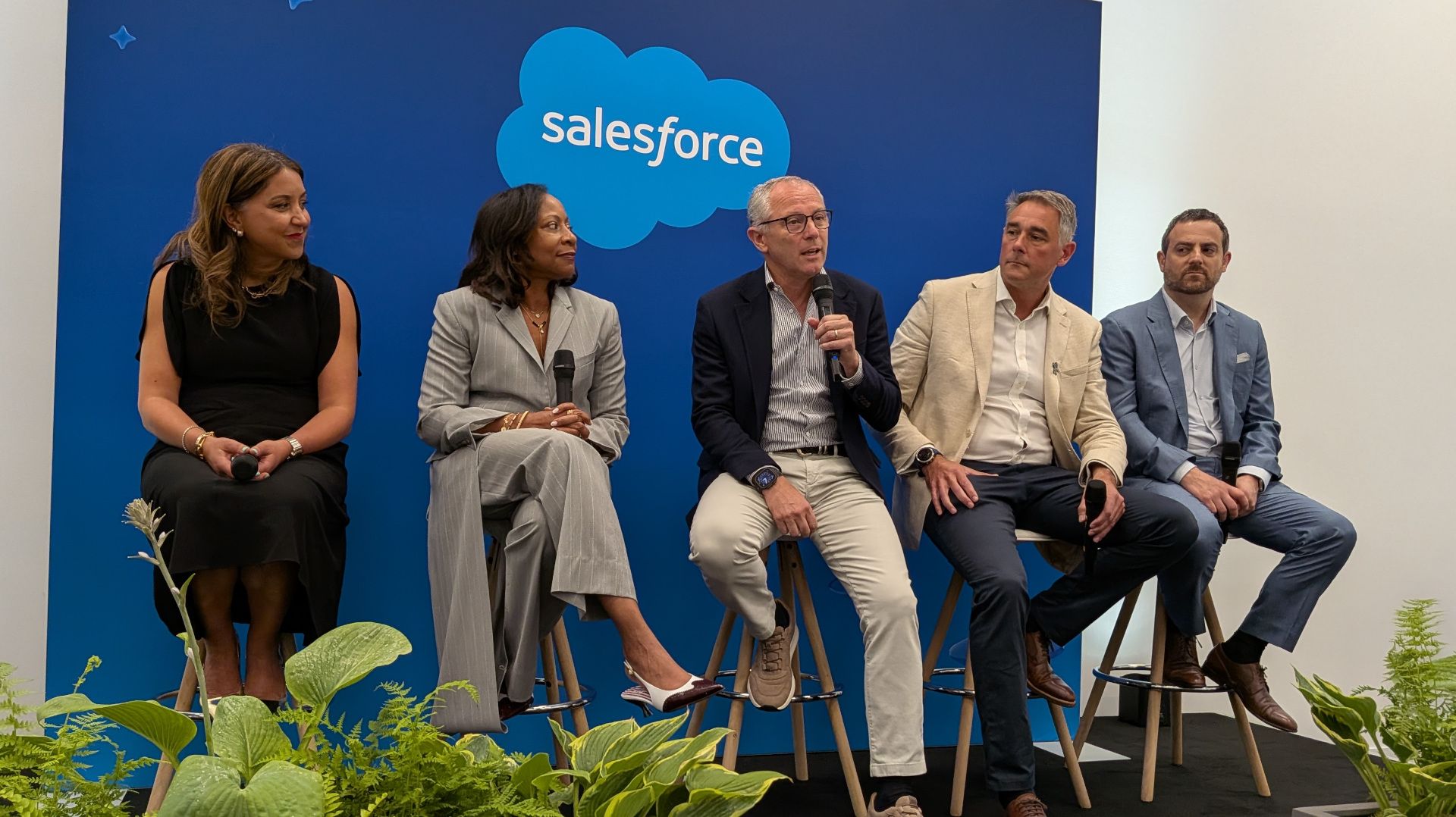
‘We need to think big, that’s why we are here’: I asked Formula 1 President and CEO Stefano Domenicali about the future of AI in the sport — here's what he told me
F1 leaning into AI across the tech stack while keeping human drivers is the template many regulated, high-stakes domains will follow—AI as co-pilot, not replacement. If you operate in a safety-critical field, assume regulators and audiences will tolerate AI in simulation, strategy, and optimization long before they accept full autonomy.